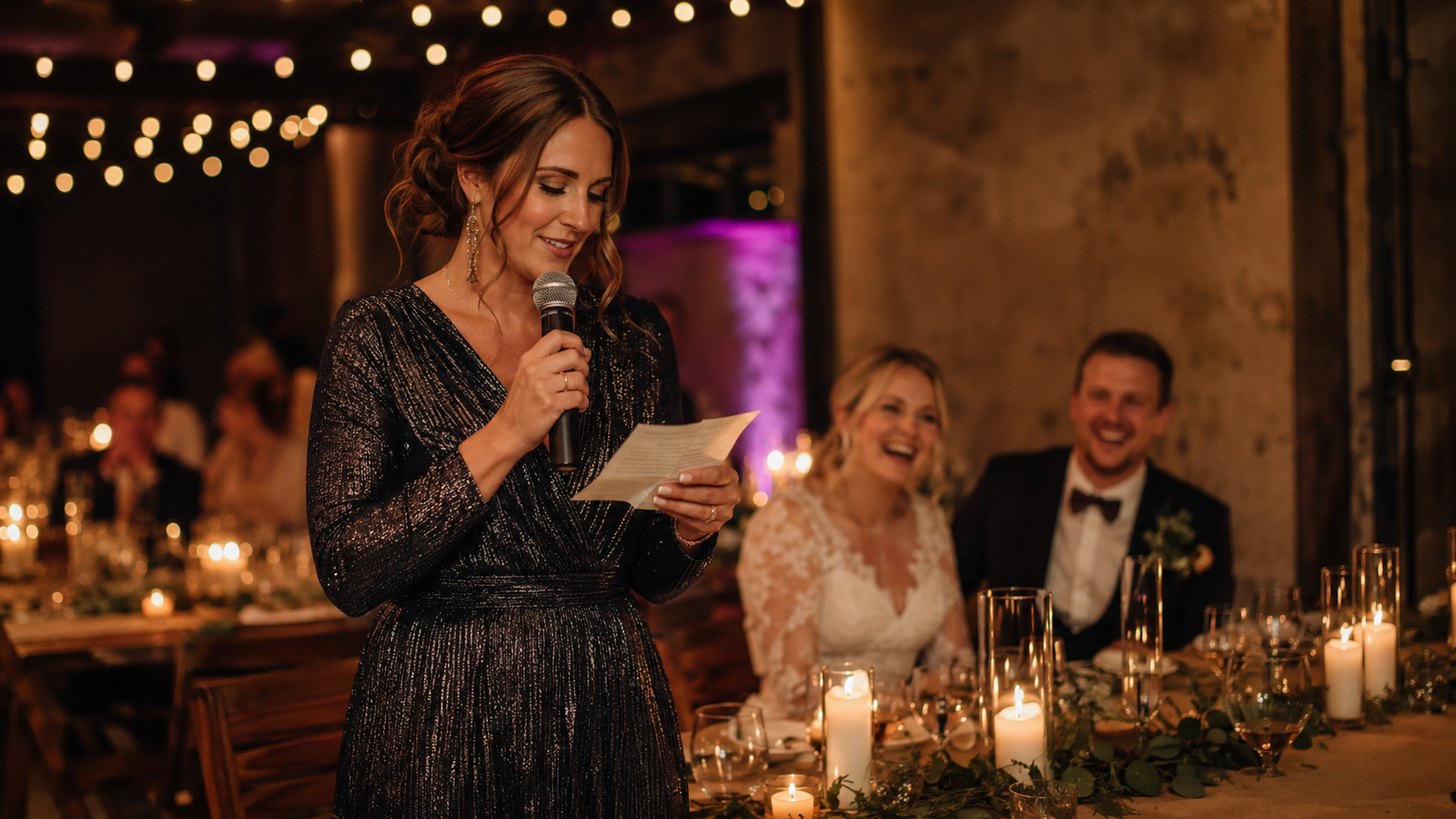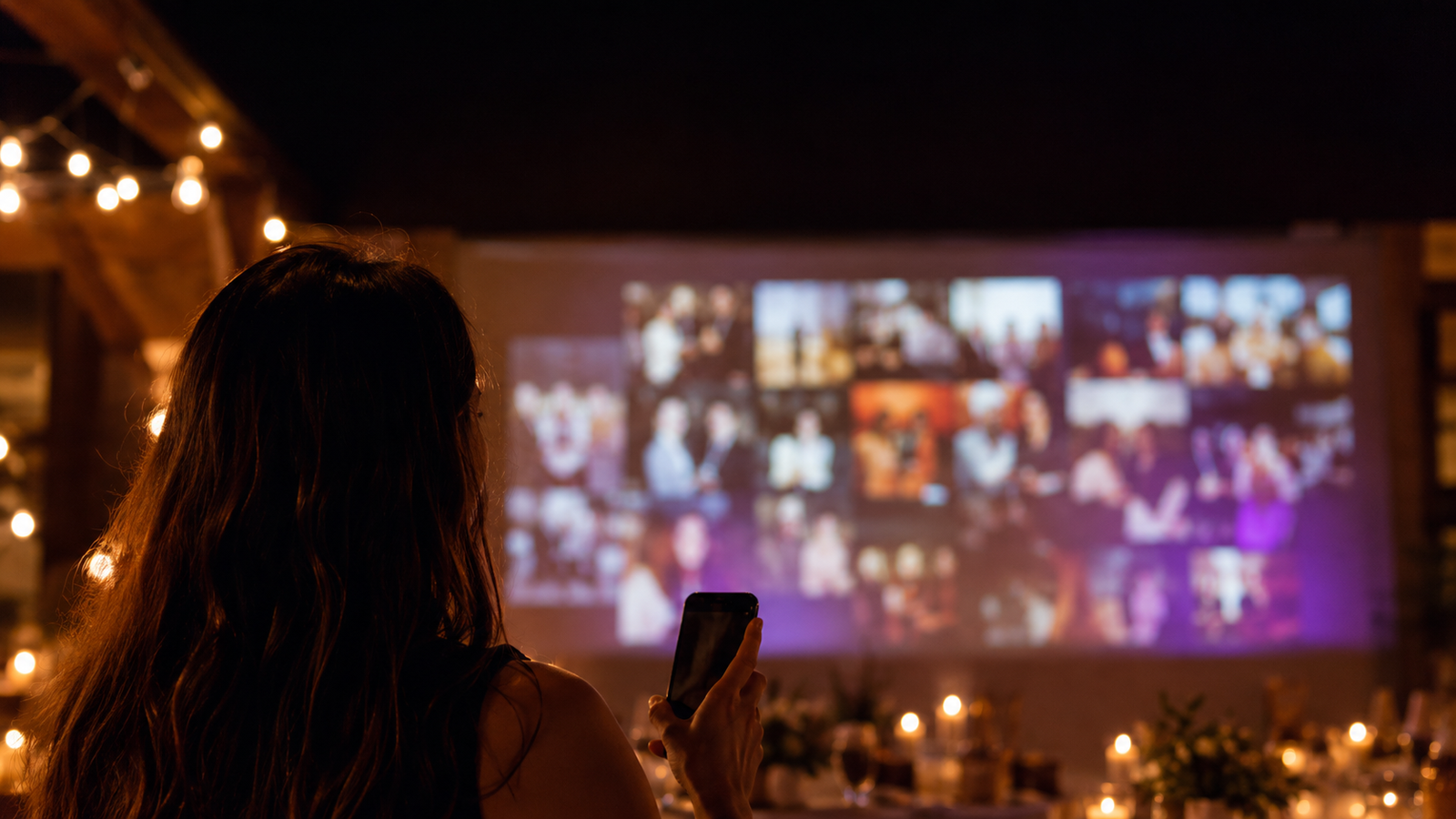
Once a year everything goes into it: a huge hall booked, hosts, musicians, and a comedian lined up. Speeches, awards and recognitions, and an inspiring talk about the hard year behind and the bright future ahead. People talk about it in the break room for a week, and then the everyday takes over again. Eleven months pass before the staff get treated like royalty once more.
And then there are the other companies, the ones that also throw an annual gala — but it's not where people have the best time. You remember the September hike where half the team showed up and the other half didn't, because it was raining. But the ones who went still talk about the view, and in between, real bonds formed.
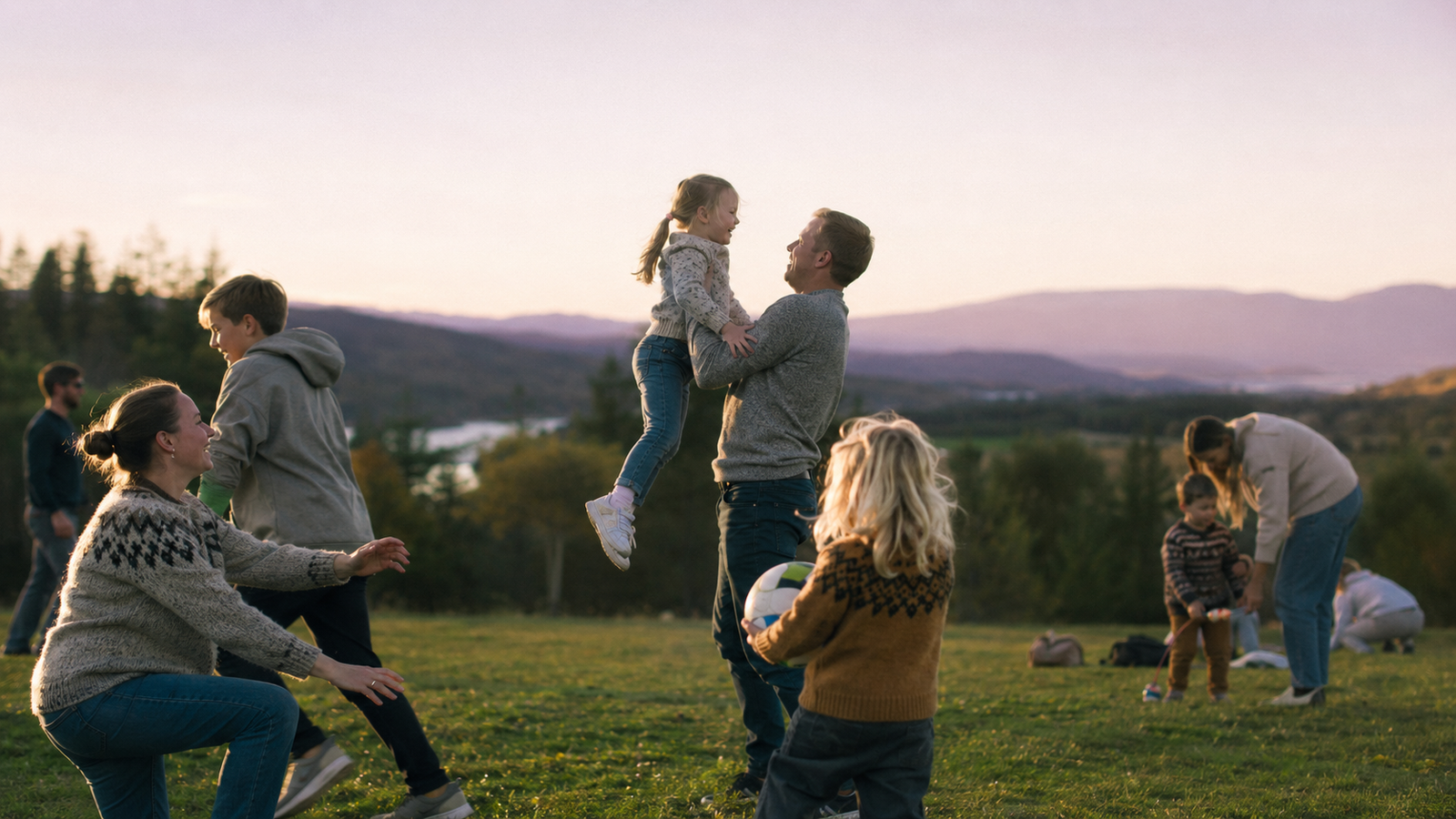
You remember the easy Friday beer after work when the big rollout finally shipped. You remember when your department went out to dinner to send off someone retiring early. The culture at those companies wasn't built on a single night. It was built between the big nights. On the outing, the hike, the family day, the turnout for the big litter-pick, the warm-up party before the Reykjavík Marathon, and the spring workdays.
The problem is that most companies pour all their energy into the tip of the iceberg — the gala and the Christmas dinner — and leave everything else to chance. The small events never get organized properly, because they seem too small to justify the hassle.
Culture happens when people meet and share an experience
This is the heart of it: what shapes company culture isn't the size, it's the frequency. One giant night a year leaves behind a memory, photos, and confetti on the floor. Twenty small events a year build a community, and community is what underpins trust and open communication during the workday.
Below the surface is a steady stream of spontaneous events that happen far more often: the little get-togethers nobody writes a speech for but everybody remembers.
Picture one year at an ordinary company. A hike in September. A book club that meets monthly. A beer after work when there's an occasion. Small wins that get to be wins: the department hit its target, the company earned a certification. A bowling tournament in autumn, a sports day in spring. A family day when the kids get to see where mum and dad work. Spring cleaning, a summer party, maybe a ski trip in February. None of it is big on its own. Together, it's the backbone of the company's culture.
Melda builds culture across both big and small
So why do the small events get so little attention? Because the effort is too high for the scale. When it takes just as long to manage a 7-person outing as a full gala, the threshold is too high. Who wants to set up a whole registration system for a hike?
That's why it matters that the setup is almost nothing. It takes about two minutes to create an event in Melda, and with that the small event is finally worth keeping track of too. The same lightweight tool handles all of it.
What Melda does for the small employee events
- A headcount that holds up. You see RSVPs in real time in the guest list and know who's coming on the hike, instead of counting vague reactions in a group chat thread.
- Custom questions for the right details. Ask for shoe sizes for the bowling tournament, whether people want downhill or cross-country skis on the ski trip, or dietary needs for the summer party. With custom questions on the RSVP you can even have a question reveal follow-ups only when someone answers "Yes".
- Automatic reminders. People forget the small events more than the big ones. Notifications and reminders nudge the team for you, so you don't have to remember to send the fourth message.
- Attendance reports and exports. Pull attendance, dietary needs, and headcount into Excel, CSV, or PDF when you need to settle costs or order catering.
- Co-hosts spread the load. Whoever organizes this month's hike can be a co-host, and the staff manager grants the permissions.
- Your own branding. Your company's colors, logo, and name appear on registration pages and invites.
- Import a list of employees. Melda takes lists of names and email addresses, and the invites go straight to the inbox of every employee invited to the event.
- Invite with a QR code and links. Got an info screen in the canteen? Put a QR code on the slideshow and anyone interested can RSVP on the spot. You can also drop links into a group chat and invite people that way.
- Guests can bring partners. Employees can register their partner (or other +1 guests) when they RSVP, and the partner gets all the information directly and can answer the questions too.
One year, one rhythm
Take a company that decides to stop leaving the small events to chance. On the first Monday of every month the group goes for a hike, and someone on the team sets it up as an event and invites all staff.
On Fridays there's sometimes a beer after work — also two minutes to set up. When the department finally earns its certification, the manager creates a little celebration the same day, with cake and an RSVP that shows who's coming. None of those three moments is big. But they happen, again and again, and they're all in one place, and nobody gets forgotten.
That's where the culture lives. Not in one night a year, but in the rhythm that keeps going all year long. When you're ready to keep the next small event organized, create an event in Melda. It takes two minutes, so even the Monday hike can be open to everyone.