Throwing a party for your staff and their partners is one of the best things a company does all year. You gather to celebrate what went well and to connect on a more personal level. Break bread and wet your whistle. Employers who host these nights put real effort into making the evening unforgettable, with the goal of pulling the team closer and setting up an even better year ahead.
And then there is the cost. It is expensive — which is fine — but you still need some brakes on it. The one big unknown is how much people will drink. Should the company budget for two drinks per guest at the bar? Or will it be five? And isn't it reasonable to expect staff to pace themselves, so there isn't a flood of complaints about questionable behaviour landing on the HR manager's desk on Monday?
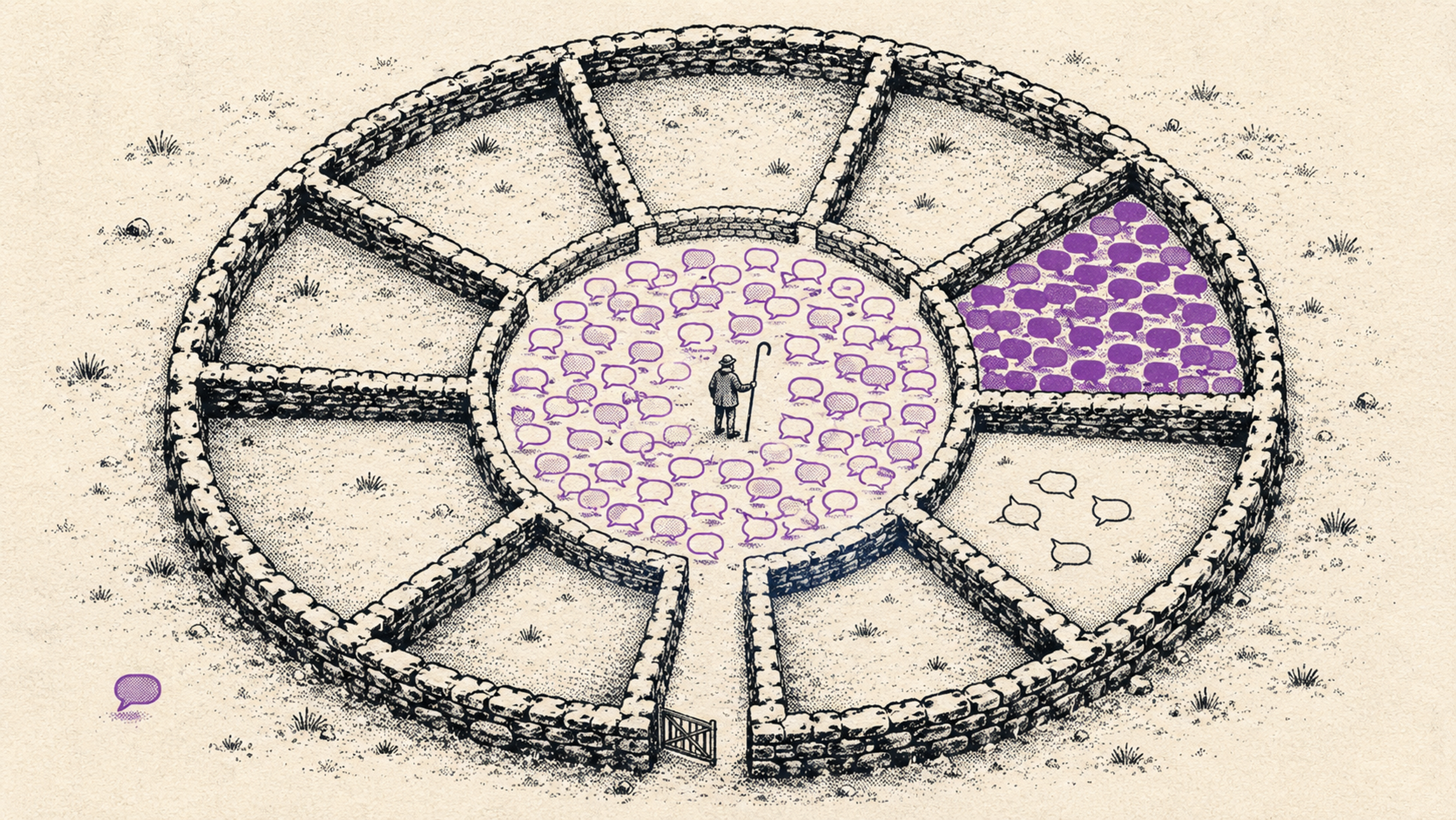
For years, workplaces have solved this by creating an allowance for each employee. That allowance gets handed out in physical form — paper tickets, poker chips, or similar. A guest who gets a drink at the bar hands over a ticket and has one fewer left.
Paper drink tickets work fine at a backyard barbecue where everyone knows everyone. At a bigger event they get out of hand. They vanish into coat pockets, end up with friends, and occasionally on the photocopier. The bartender has no way to know whether a ticket is valid and no time to investigate during the rush.
So it is a decent system — sometimes. But here are a few of the cracks:
- Making the tickets takes real work
- Credits can be faked if someone knows what they look like
- Credits can drift back onto the floor if they aren't watched closely
- Guests can start hoarding other guests' credits (the ones who don't want drinks)
- Guests lose their tickets
- People can see whether others have used theirs up
Can't picture it? The bartender opens the drawer and there's a heap of crumpled paper slips no one can tell apart. All 300 guests were supposed to get two free drinks. So you cut 600 tickets the night before, maybe even stamped them with the company logo, and handed two to each guest at the door. By nine o'clock one person has lost theirs, another got two extra from a colleague who's driving, and a third has photocopied his.
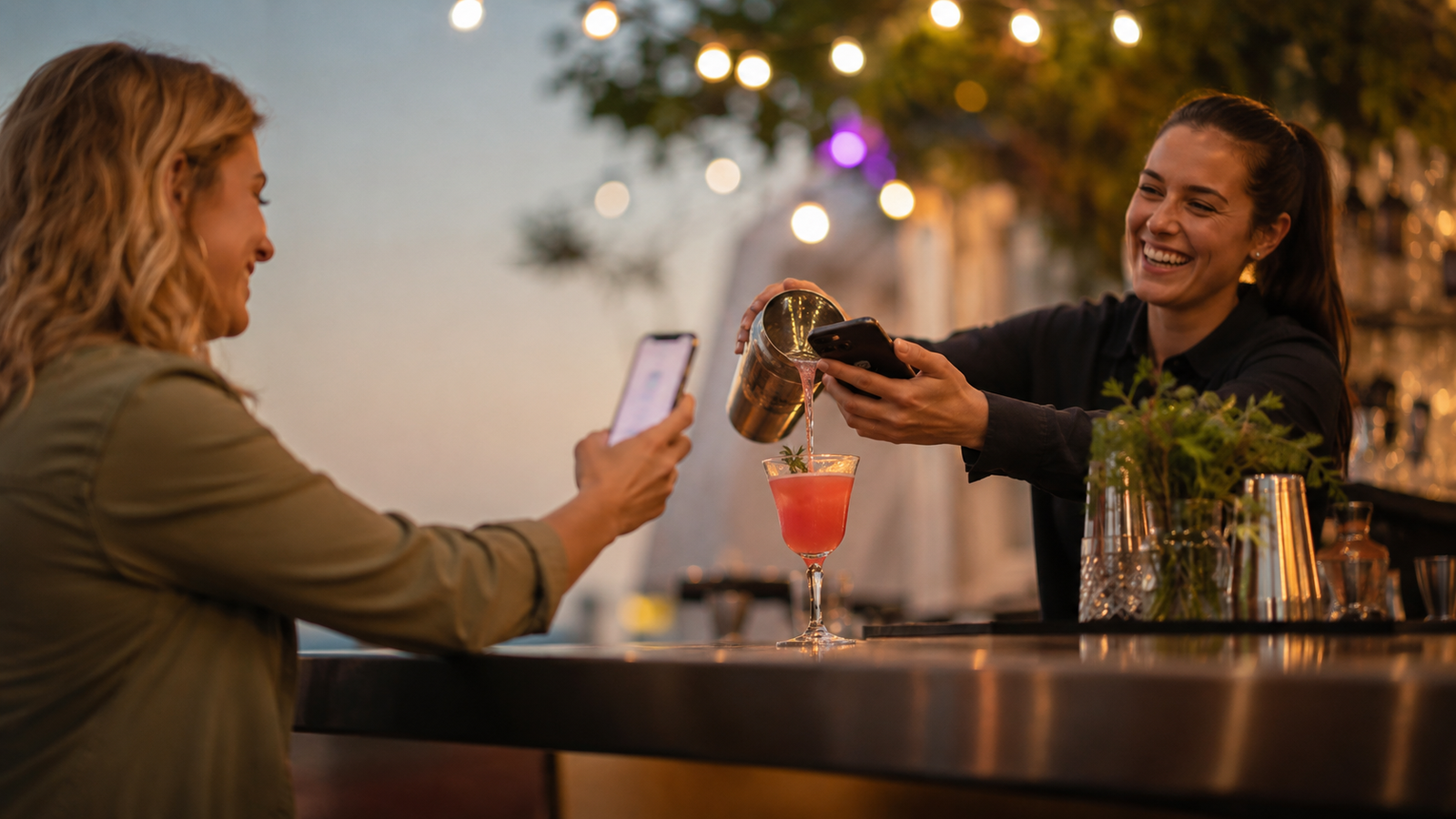
That is why Melda has a feature where guests who RSVP to a company event get a QR code in their e-wallet. The bartender scans that QR code and logs the order served across the bar.
An e-wallet solution for the bar
You define what each guest gets — two beers, one glass of sparkling on arrival, five credits to spend however they like — and the system handles the rest. No paper tickets, no hole punch or crumpled slips, no guessing at the bar.
There are two approaches.
- Locked allocations are fixed: each guest gets exactly two credits, and when they run out the guest pulls out their own wallet and pays.
- Flex credits are a shared pool: each guest gets, say, five credits, and a beer costs one while a cocktail costs two. Guests decide for themselves how to use their credits.
The bartender needs no special app and no stack of paper, and sees everything on a single screen: remaining allocations and flex balance. One tap to redeem, one to undo if something was scanned wrong — and if the guest doesn't have their phone, the bartender can look them up in the scanner and mark the order manually.
Try it — add drinks, switch between flex and locked. Nothing is saved.
Credit items
Add drink tickets, set quantities, toggle between flex credits and locked allocations.
Every guest gets
5 credits
to spend on drinks that cost credits
Ready to try it with your own event? Create an event in 2 minutes →
How it works
The credit system builds on the same foundation as QR check-in at the door and the same offline-first design that keeps everything running when the WiFi drops.
- Two credit types. Locked items are fixed per guest: "2 beers" means exactly two beers. Flex credits give each guest a pool to spend on drinks at different prices — a soft drink costs one credit, a cocktail costs two. A guest can use their credits however they like.
- Age verification built in. Mark items with an age limit and set a minimum age. The system checks the guest's birth date from their kennitala (national ID) and blocks the redemption if they are under age. No awkward conversations, and the workplace has done its part to prevent serving that isn't legal.
- Works offline. If the connection is poor, the scanner keeps going. Redemptions are stored locally and synced in a batch once the connection is back: the same queue we built for offline check-in. The bar never stops.
If you want to read how the scanner works at the door, see QR check-in. Curious about what happens when the WiFi fails? We wrote a whole post about the offline scanner. For the full picture of the credit system, check out the ticket scanning landing page.